
McAllen off-road enthusiasts rely on ABS sensors for safe, controlled braking on challenging terrain. These sensors monitor wheel speed, preventing lockup and enhancing traction. Regular maintenance, troubleshooting, and selecting durable sensors are crucial to avoid issues like sensor failure or debris buildup. Understanding ABS sensor installation and maintenance empowers owners to safely explore rough trails while saving costs on professional services.
“For McAllister off-road enthusiasts, understanding Anti-lock Braking System (ABS) sensors is key to enhancing safety and control on rugged terrain. This comprehensive guide explores ABS sensors from a beginner’s perspective, delving into their function, benefits, and how they improve off-road driving. We’ll navigate common issues, offer troubleshooting tips, and guide you in choosing the right sensors for your vehicle. From installation and maintenance to advanced technology, master the art of ABS sensors for an elevated off-road experience.”
- Understanding ABS Sensors: A Basic Guide for McAllister Off Road Enthusiasts
- How ABS Sensors Improve Off-Road Safety and Control
- Common ABS Sensor Issues and Troubleshooting Tips
- Choosing the Right ABS Sensors for Your McAllister Off-Road Vehicle
- Installation and Maintenance of ABS Sensors: Do-It-Yourself Basics
- Advanced ABS Sensor Technology for Enhanced Off-Road Performance
Understanding ABS Sensors: A Basic Guide for McAllister Off Road Enthusiasts

ABS sensors, or Anti-lock Brake System sensors, are critical components in modern vehicles designed to enhance safety for McAllister off-road enthusiasts. These sensors monitor wheel speed and send signals to the vehicle’s computer, which then adjusts brake pressure to prevent wheels from locking up during hard braking or while driving on challenging terrain. Understanding how ABS sensors work is essential for any off-roader, as it allows them to troubleshoot issues, maintain their vehicles effectively, and make informed decisions while exploring the great outdoors.
For McAllister off-road enthusiasts, knowing the basics of ABS sensors can help with diagnostics when things go wrong. Common problems include sensor failure or contamination, which can be identified by unusual braking behavior, such as pulsating brakes or prolonged braking distances. Regular maintenance, including keeping sensors clean and ensuring proper clearance around them, is key to preventing these issues. By staying informed about their ABS system, off-roaders can navigate rough trails with confidence, knowing their vehicle’s safety systems are operating at peak performance.
How ABS Sensors Improve Off-Road Safety and Control

For McCallen’s off-road enthusiasts, enhanced safety and control are paramount when venturing off the beaten path. ABS (Anti-lock Braking System) sensors play a pivotal role in achieving this. These advanced components work tirelessly to prevent wheel lockup during hard braking, allowing drivers to maintain steering control over treacherous terrain.
By continuously monitoring wheel speed, ABS sensors detect and counteract locking mechanisms, providing a stable stopping force even in muddy, sandy, or icy conditions. This improved traction translates into better maneuverability and responsive handling, empowering off-roaders to navigate challenging obstacles with confidence. For McCallen residents who embrace the wild landscapes beyond city limits, ABS sensors are indispensable tools for safe and secure off-road adventures.
Common ABS Sensor Issues and Troubleshooting Tips
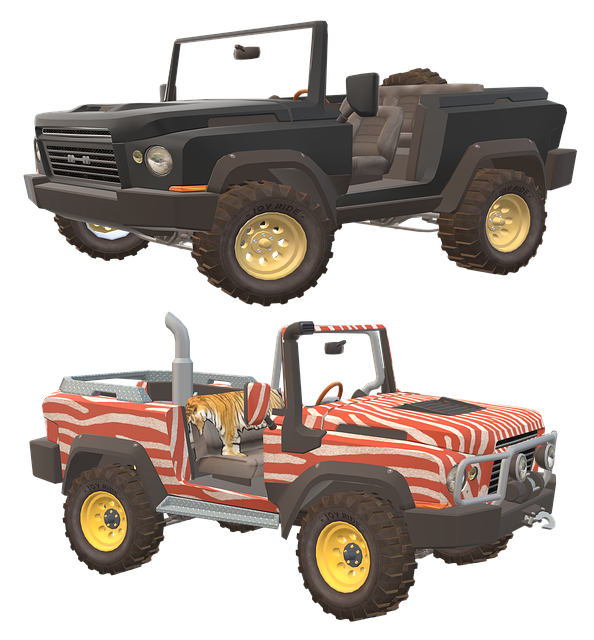
McAllen off-road enthusiasts often face common ABS (Anti-lock Braking System) sensor issues that can put a damper on their adventurous spirit. One frequent problem is sensor corruption or failure, leading to erratic braking performance. If your vehicle’s brakes pulse or lock up unexpectedly, it might be a sign of faulty sensors. These sensors monitor wheel speed and send crucial data to the ABS module, which in turn controls brake pressure during emergency stops.
Troubleshooting these issues involves basic checks like inspecting sensor connections for corrosion or damage. Clean or replace any contaminated connectors. In some cases, re-calibrating the ABS system using specialized tools can resolve problems. Regular maintenance, including keeping sensors free from debris and checking for wear, is essential to prevent future malfunctions. McAllen off-road enthusiasts should consult vehicle manuals or seek professional assistance if symptoms persist, ensuring their safety while navigating rugged terrain.
Choosing the Right ABS Sensors for Your McAllister Off-Road Vehicle

Choosing the right ABS (Anti-lock Braking System) sensors for your McAllister off-road vehicle is crucial, especially given the unique demands of navigating rugged terrain. Off-road enthusiasts often face varying driving conditions, from slick rocks to muddy trails, which require ABS sensors that offer superior performance and durability. When selecting sensors, consider factors such as weather resistance, shock absorption, and compatibility with your vehicle’s braking system.
McAllister off-road enthusiasts should opt for sensors designed specifically for harsh environments, ensuring they can withstand extreme temperatures, dust, and vibration. High-quality ABS sensors will provide precise brake modulation, enhancing safety and control during challenging off-road adventures. Investing in the right sensors not only improves vehicle performance but also inspires confidence, allowing McAllister off-roaders to conquer trails with peace of mind.
Installation and Maintenance of ABS Sensors: Do-It-Yourself Basics

For McCallen off-road enthusiasts, understanding how to install and maintain ABS (Anti-lock Braking System) sensors is a valuable skill. These sensors are crucial components of modern braking systems, helping to ensure safe and controlled stops on rough terrain. The process involves locating the sensors, which are typically mounted near each wheel, and connecting them to the vehicle’s computer via wiring harness. This DIY task requires basic tools and knowledge of automotive systems.
Regular maintenance includes checking for any visible damage or corrosion on the sensor housing and wires. Since these sensors play a vital role in braking performance, keeping them clean, secure, and free from debris is essential. Many off-road vehicles have accessible ABS sensors that allow owners to perform basic inspections and replacements if needed. For McCallen residents with mechanical inclinations, learning these skills not only enhances vehicle safety but also offers cost savings compared to professional servicing.
Advanced ABS Sensor Technology for Enhanced Off-Road Performance

McAllen’s off-road enthusiasts have long been at the forefront of demanding vehicle performance, especially in challenging terrain. To cater to this passionate community, advanced ABS (Anti-Lock Braking System) sensor technology has emerged as a game-changer for off-road adventures. These sensors are designed to provide unparalleled control and stability during rough rides, ensuring drivers maintain precision and safety.
The cutting-edge ABS sensors utilize sophisticated algorithms and precise measurements to detect wheel speed variations, enabling the system to respond swiftly when traction is lost. This technology offers McAllen off-road enthusiasts a significant edge by allowing them to conquer difficult trails with confidence. With improved braking performance and better control, these sensors enhance the overall driving experience, making every off-road journey more exciting and secure.
For McAllister off-road enthusiasts, understanding and maintaining ABS sensors is key to enhancing safety and performance. From basic functionality to advanced technology, this guide has equipped you with valuable insights. By addressing common issues and choosing the right sensors, you can ensure your off-road vehicle excels in any terrain. Remember, proper installation and maintenance are vital for optimal results, allowing you to confidently navigate challenging trails with enhanced control and peace of mind.